

It was back in 2016—by then, I had already made a few memorable monsoon trips to Agumbe, and the tradition of returning each rainy season was well underway. That year, though, I found myself a little adrift. I couldn’t rally a group to accompany me and wasn’t quite ready to venture out solo.
So, like many of us do, I turned to Google. One name caught my eye: Darter Photography. The mention sparked a faint recollection from a previous trip, and while they weren’t entirely unfamiliar, I hadn’t engaged with them before. Curious and hopeful, I reached out to the contact number listed on their site.
Little did I know, that simple phone call would evolve into something far bigger. Nearly a decade later, I’m still traveling with Darter Photography—collecting experiences, forging friendships, and creating cherished memories. If I were to look back and pick the most extraordinary moments of my life, many would be etched along the winding paths of those photography journeys. It’s more than a travel companion—it’s been a gateway to wonder.
Moments Framed in Mist and Memory. From the moment I embarked on my first journey with Darter Photography, I realised this was more than just photographing wildlife—it was about immersing myself in nature’s raw splendour, pausing in awe, and learning to freeze those fleeting moments before they slipped away. Each adventure unfolded a new layer of magic: chasing monsoon mist through the rainforests of Agumbe and beyond, quietly observing a snake gliding along a rain-kissed trail, marvelling at the elusive snow leopard in the Himalayan heights, surrendering to the sweeping emptiness of the Rann of Kutch, feeling the thrill of raptors soaring above Tal Chhapar, and being utterly spellbound by the icy wilderness of Antarctica with its majestic icebergs and waddling penguins. Every step was a revelation—an invitation to experience wonder anew.
On a magical September night, I boarded a bus to Agumbe, accompanied by fellow nature enthusiasts and our seasoned skipper from Darter Photography, Shreeram MV. By dawn, we had arrived, ready to plunge into the lush wilderness and begin our expedition. From the very start, the trip was brimming with jaw-dropping moments—our cameras barely had a chance to rest.
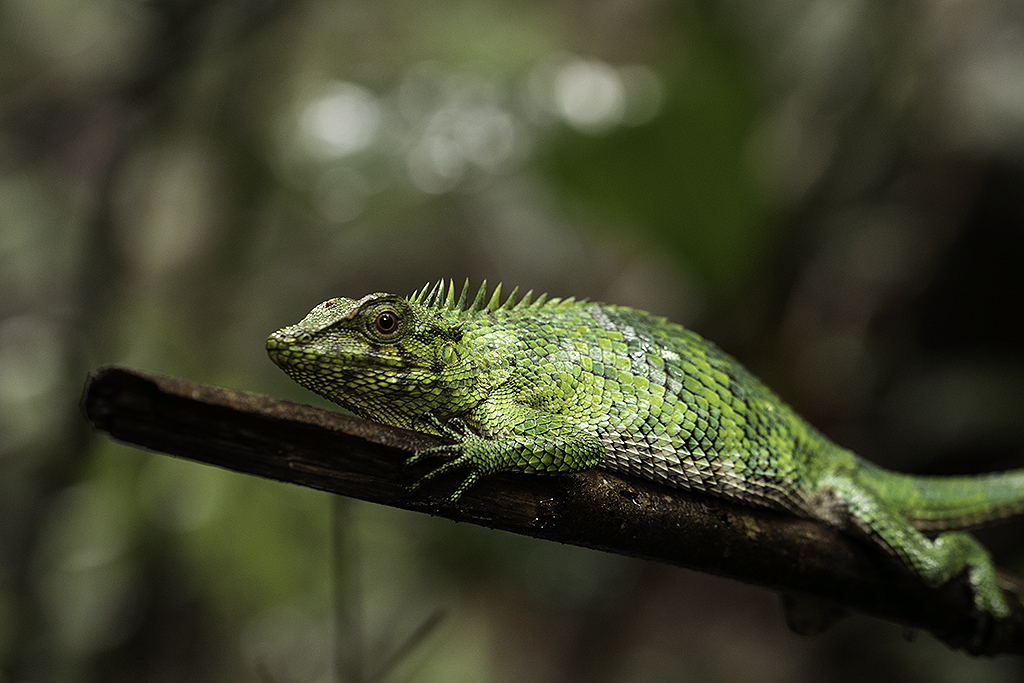
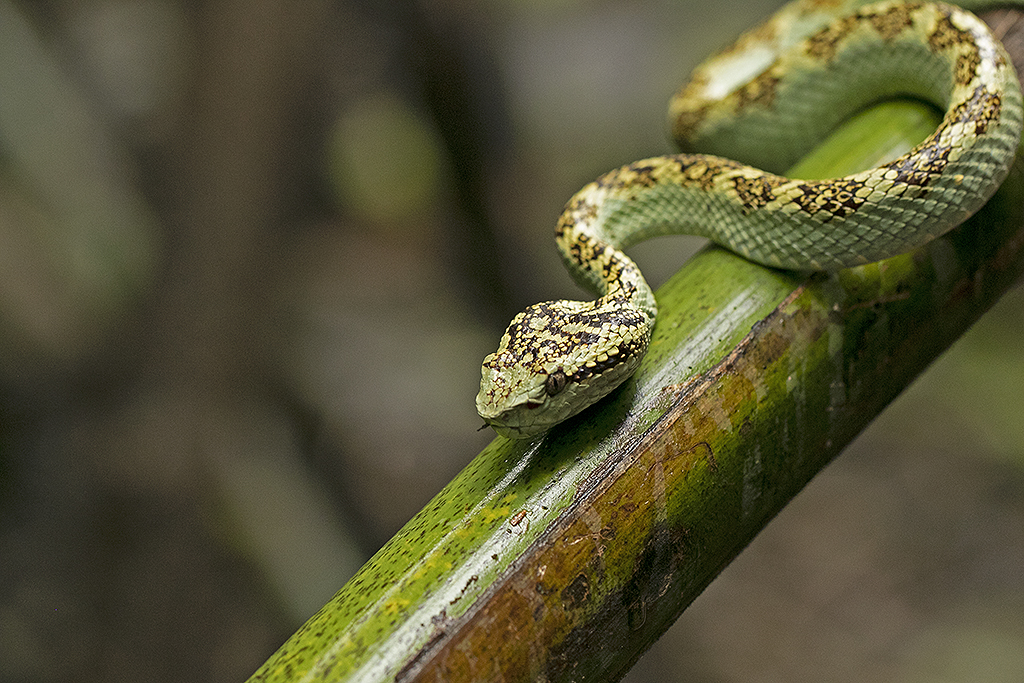
Agumbe came alive with a dazzling array of colorful insects, the chorus of frogs echoing through the rainforest, and thrilling encounters with my favorite Malabar pit viper and other elusive snakes. But amidst all the excitement, one sight stole the show: the stunning Nilgiri Forest Lizard (Calotes nemoricola), a true gem of the Western Ghats that turned an unforgettable journey into pure magic.
As we wrapped up our expedition and headed back to Bangalore, I casually asked Shreeram if he had any plans for a snow leopard adventure. It was just a passing thought—one of those wild dreams whispered out loud. And then, just weeks later, an email from Darter dropped into my inbox: they were launching a Snow Leopard expedition! It felt almost surreal, like the universe had leaned in and decided to make my wish come true. Naturally, I didn’t hesitate—I dove right in, eager to chase this new high-altitude dream through the rugged terrain of the Himalayas.
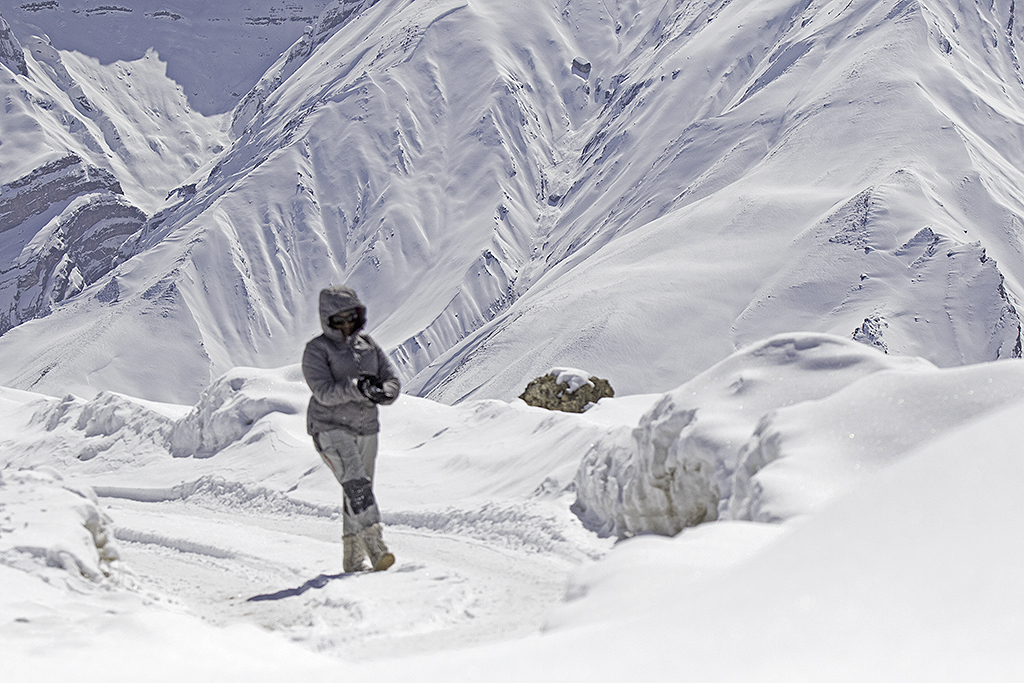
This was my first-ever journey into the mighty Himalayas—and not just the towering peaks, but the unforgiving altitude where the oxygen thins to nearly half, playing tricks on both heart and mind. We had just arrived, and I found myself quietly absorbing the scale and silence, feeling both dwarfed and deeply moved by the vastness. My plan was simple: take time to adjust, soak it all in, and get ready for the six days ahead in search of the elusive snow leopard. But fate had something else in store.
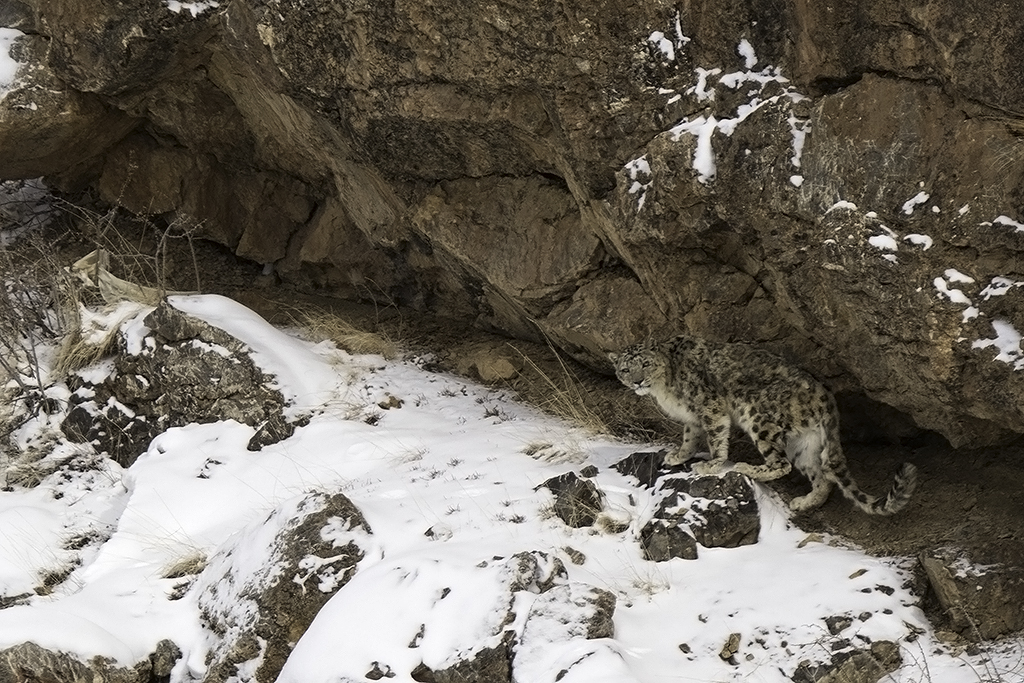
Less than an hour into our very first trail, it happened—we spotted the snow leopard. Time stood still. The sheer rush of emotion was overwhelming; I broke down in tears, unable to contain the flood of awe, disbelief, and gratitude. No words could capture the euphoria that followed—only the image could come close to telling the story.
What followed was a seamless stream of expeditions—each trip unfolding like a fresh chapter in an ever-growing love story with the wild. My countless journeys to the mist-draped rainforests of Agumbe, the verdant canopies of Goa, and Munnar, a living, breathing emerald tapestry, became an annual ritual, especially during the monsoon months. There’s something extraordinary about the rainforest in the rains—the chorus of frogs and cicadas, the shimmering trails of insects, and the thrilling encounters with reptiles camouflaged in emerald foliage. Monsoon visits remained my favorite, with each trek revealing new secrets: bioluminescent fungi glowing under leaf litter, pit vipers coiled on moss-laden branches, and getting up each morning there with the human whistling alike calls of the Malabar whistling thrush echoing through the canopy.
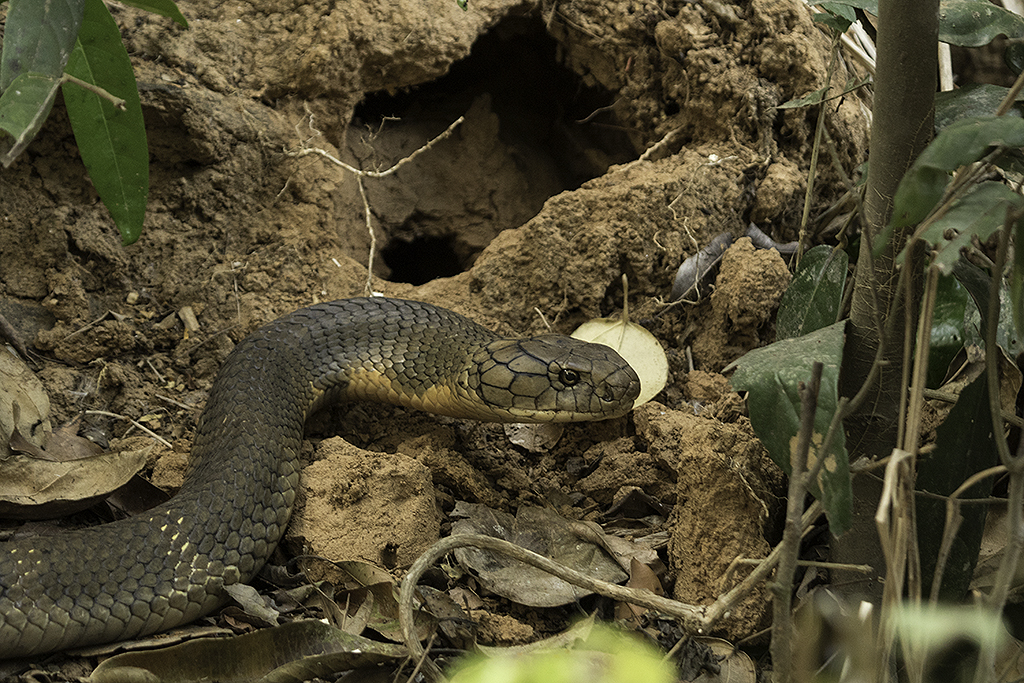
And then came that unforgettable summer trip in April, set apart from the usual rhythm. The forest was quieter, drier—but it held one of its greatest wonders: the majestic king cobra. Seeing this apex predator glide through undergrowth with such grace and authority was like watching royalty in motion. A single glimpse was enough to send shivers through the soul.
No matter how many times I’ve returned, I’ve never felt the thrill diminish. Every expedition to these rain-soaked jungles has gifted me fresh knowledge, renewed awe, and the same electrifying excitement that keeps me coming back—because in the rainforest, there’s always more to discover.
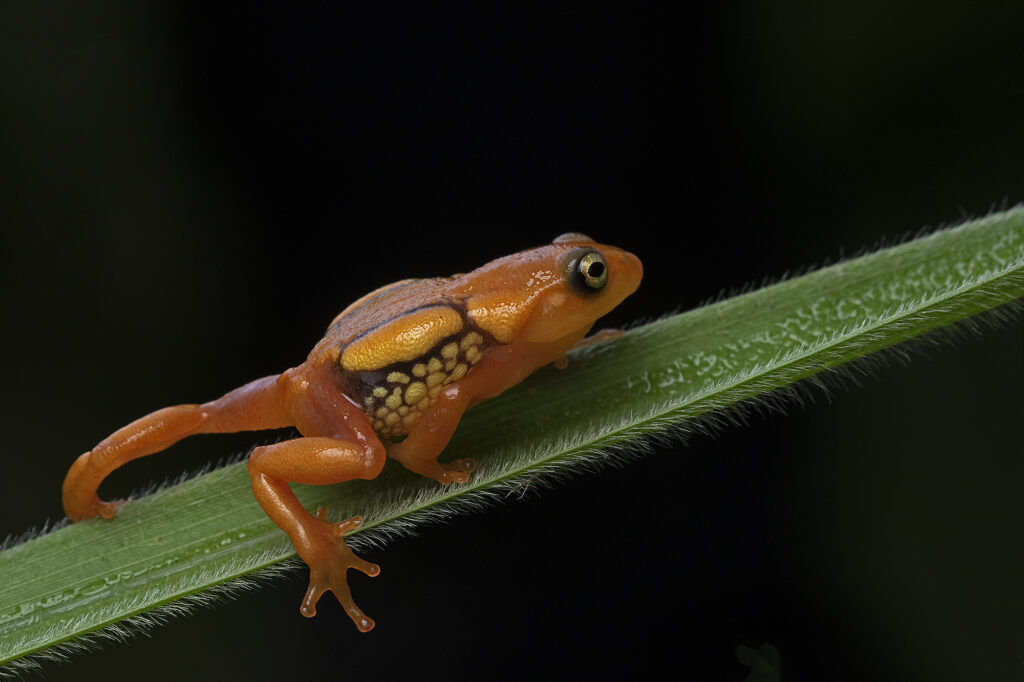
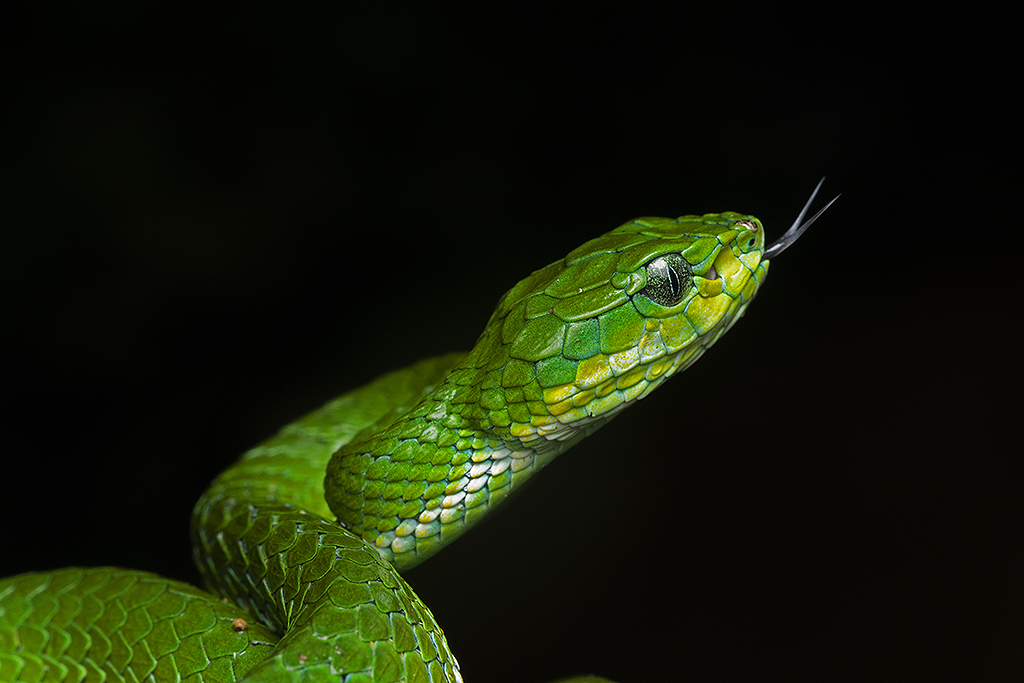
In Munnar’s rich and tangled rainforests, few creatures embody its essence more vividly than the Resplendent Shrub Frog (Raorchestes resplendens), the Large-scaled Pit Viper, and the elusive Gunther’s Vine Snake. These species aren’t just inhabitants—they’re iconic signatures of the region. To speak of Munnar and not mention them is to leave out the soul of the forest itself.
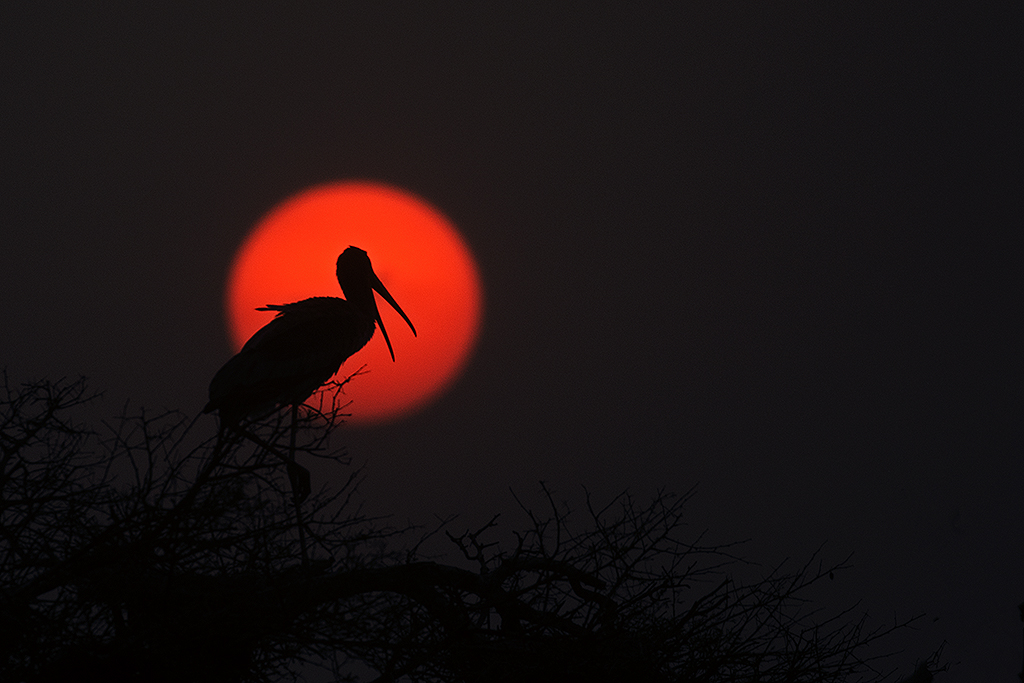
With this Darter photography has completely opened up a new world and prospect for me. There were multiple trips to enchanting Bharatpur in winter. where the symphony of bird calls at dawn and the sheer diversity of avian life turned every trail into a living canvas. From painted storks nesting in wetlands to the elegant dance of sarus cranes, the birding experience at Keoladeo National Park added a whole new dimension to my connection with the wild.
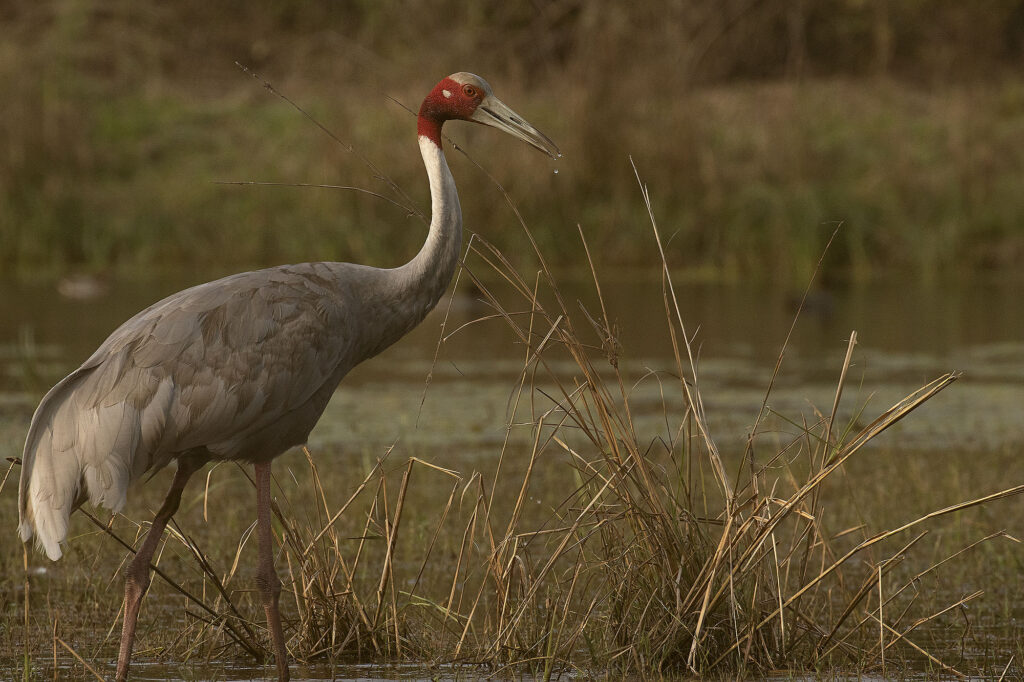
For someone like , who’s chased monsoon mist in Agumbe and locked eyes with a snow leopard in the Himalayas, Bharatpur offers a gentler yet equally profound connection with the wild. It’s not just about spotting birds—it’s about witnessing the rhythm of life in a wetland ecosystem, where every ripple and rustle tells a story.
The next chapter with Darter Photography unfolded across two dramatically contrasting yet equally mesmerizing landscapes—the vast salt desert of the Little Rann of Kutch (LRK) and the golden grasslands of Tal Chhapar. These terrains, though starkly different from the dense rainforests and Himalayan heights I’d explored before, offered a new kind of magic— painted in open skies and sweeping horizons.
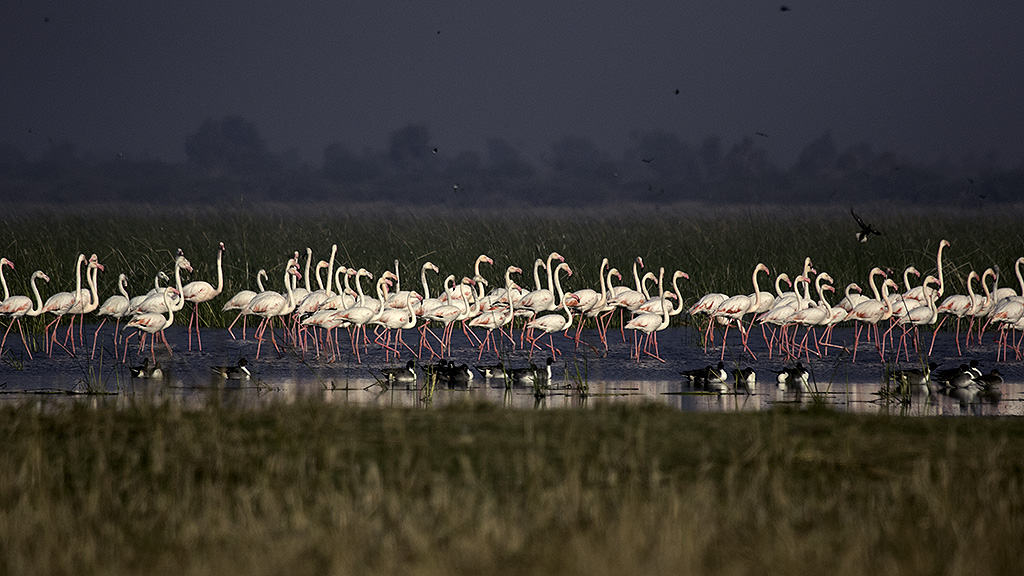
In LRK, the emptiness itself was breathtaking. Once part of the Arabian Sea, this surreal expanse of cracked earth and shimmering salt flats stretched endlessly, interrupted only by islands of life where wildlife congregates. It was here, in this seemingly barren world, that I witnessed an aerial ballet of raptors. Steppe and Imperial Eagles, Pallid and Montagu’s Harriers, and Peregrine Falcons soared above the desert, scanning the ground for prey. The silence of the salt desert was broken only by the sudden swoop of a falcon or the haunting call of a Short-eared Owl. Each sighting felt like a revelation, a reminder that even the harshest landscapes pulse with life. And how you can forget the ballet of Flamingos on the water.
Those moonlit safaris in the Little Rann of Kutch felt like slipping into another realm—gliding through the dark, silent desert with only starlight as our guide. And then, lying down on the cool, cracked earth beneath a sky ablaze with stars, I felt a rare stillness wash over me. Out there in the salt flats, with constellations stretching endlessly overhead, it wasn’t just about spotting wildlife—it was about surrendering to the vastness, feeling deeply connected to everything around me.
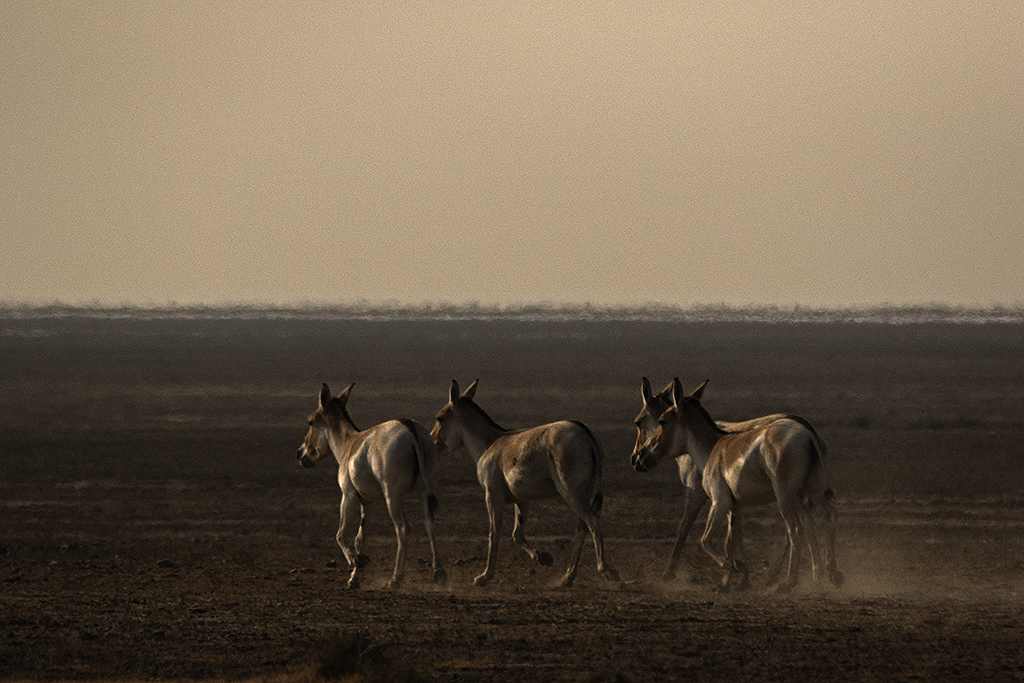
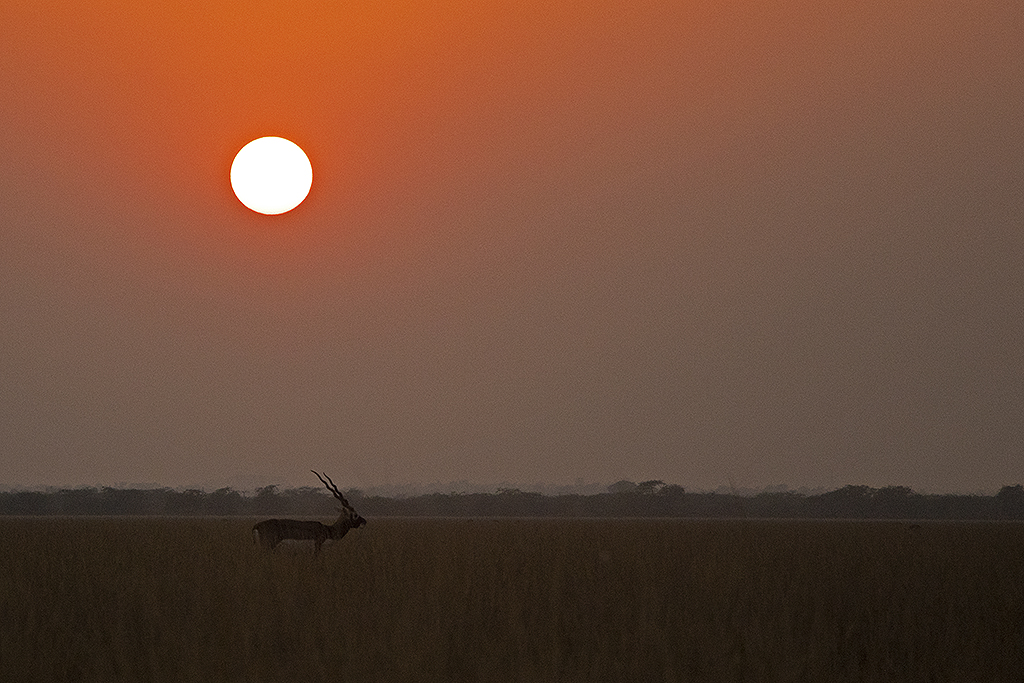
Then came Tal Chhapar, nestled in Rajasthan’s Churu district—a sanctuary of golden grass swaying under the desert sun. This flatland, once a royal hunting ground, now thrives as a haven for blackbucks, the herbivorous ,spiny-tailed lizards and a spectacular array of birds. The open grasslands were alive with movement: Harriers gliding low, Buzzards perched on Prosopis shrubs, and Eurasian Rollers flashing brilliant blues as they darted through the air. The sheer density and diversity of raptors here was staggering. Watching them hunt, perch, and interact in this open theater of nature deepened my appreciation for these apex aerial predators.
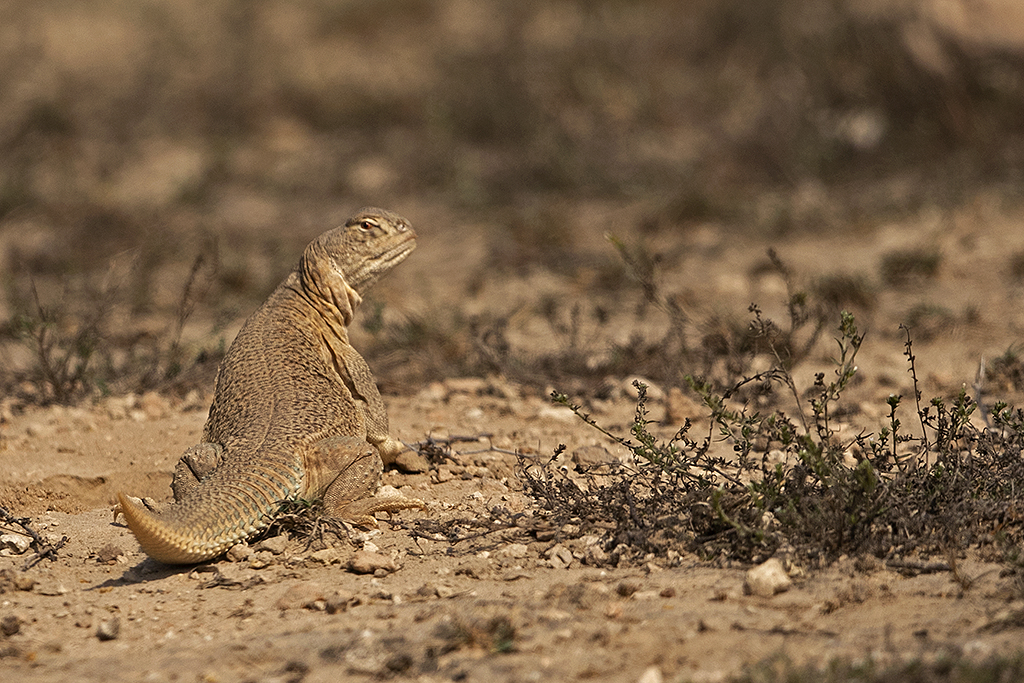
These experiences didn’t just add destinations to my travel map—they reshaped my relationship with the wild. The salt desert and grasslands taught me to look up, to scan the skies, and to find wonder in the vastness. My bond with nature grew stronger, more layered, and more reverent with every wingbeat overhead.
The journey continued with a spellbinding introduction to Northeast India—Kaziranga and Manas National Parks, two jewels in Assam’s wild crown, unveiled through the lens of Darter Photography.
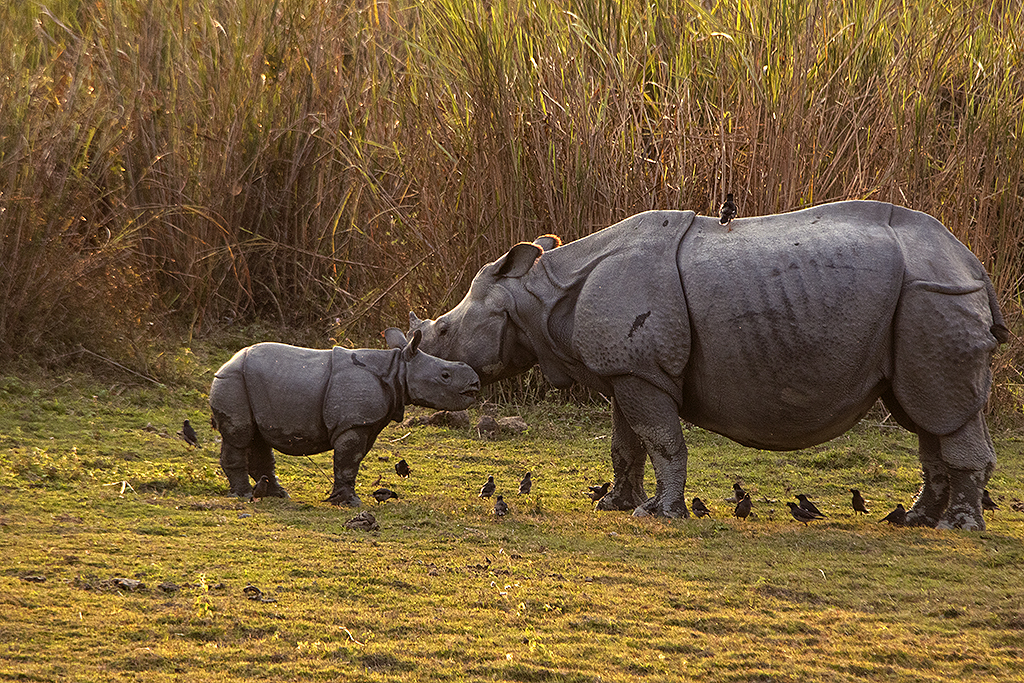
Kaziranga was everything I had imagined and more. A UNESCO World Heritage Site, this vast expanse of tall elephant grass, marshlands, and tropical forests is home to two-thirds of the world’s remaining population of the Great Indian One-Horned Rhinoceros. Watching these prehistoric-looking giants graze peacefully against the backdrop of misty wetlands was surreal. But Kaziranga isn’t just about rhinos—it’s a thriving ecosystem teeming with elephants, swamp deer, wild water buffalo, and flagship animal The Royal Bengal Tiger.
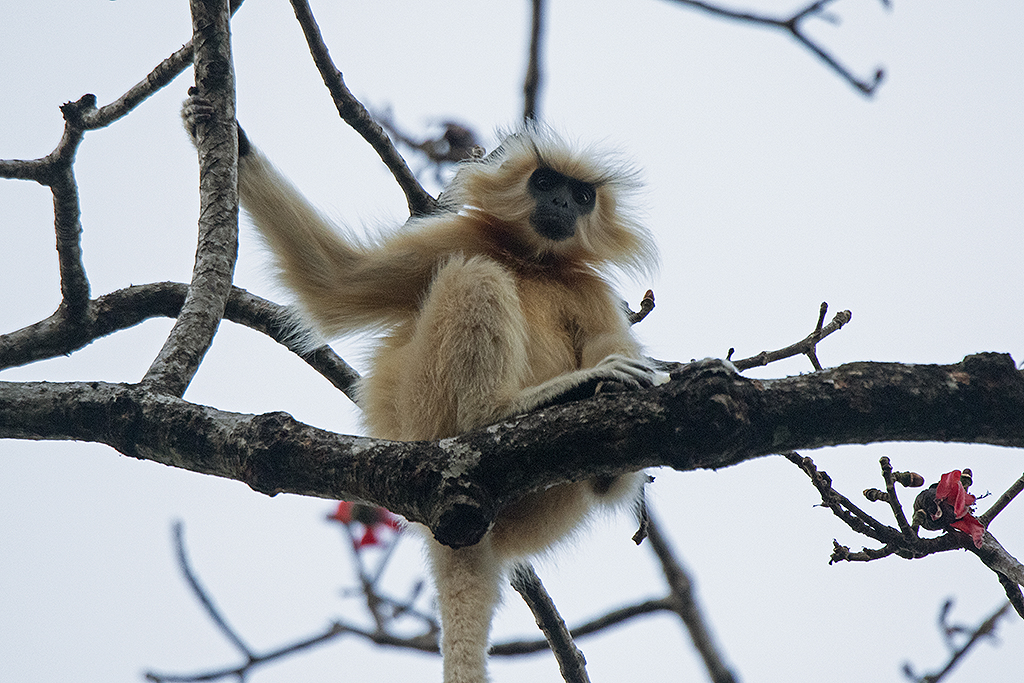
And then came Manas National Park, nestled in the Himalayan foothills and bordering Bhutan. If Kaziranga was bold and dramatic, Manas was ethereal and elusive. A biosphere reserve and another UNESCO World Heritage Site, Manas is famed for its rare and endangered species, including the Golden Langur, which we were lucky enough to spot—its golden fur glowing like firelight in the forest canopy. The park’s landscape was a dream: riverine grasslands, dense forests, and the serene flow of the Manas River. It felt untouched, sacred. The birdlife here was equally mesmerizing, with sightings of Bengal Floricans, Great Hornbills, and Scarlet Minivets adding vibrant brushstrokes to the canvas of our adventure. Every turn of the trail revealed lifers—species I’d never seen before. From the vibrant plumage of the Broadbills to the haunting calls of the Indian Pitta, we recorded over 200 bird species on that single trip.
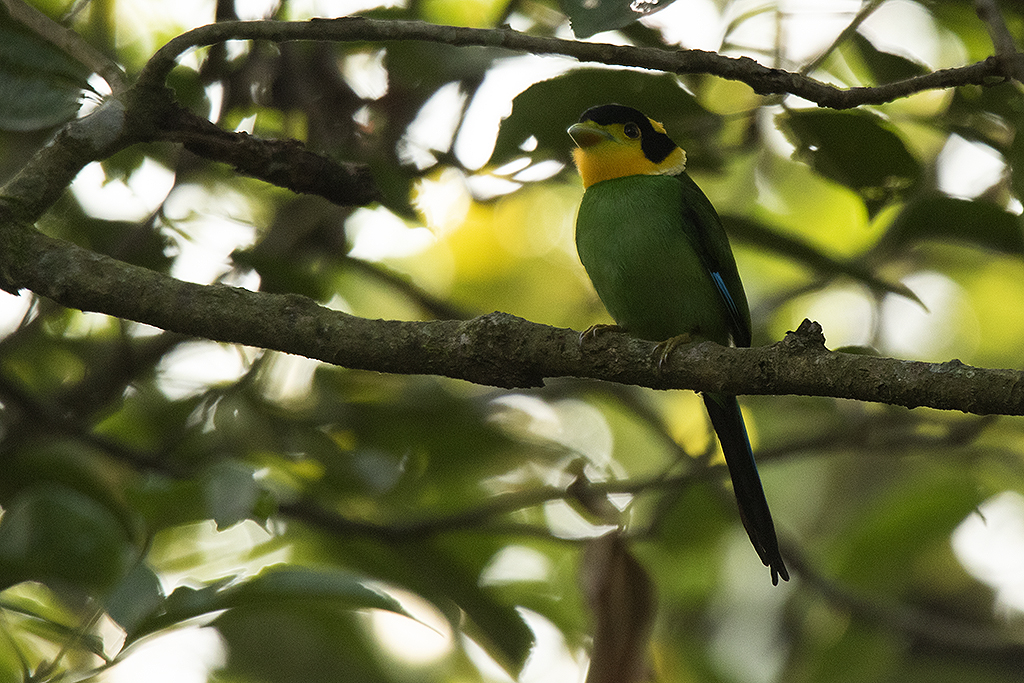
That trip wasn’t just a checklist of sightings—it was a deep dive into the soul of the Northeast. The sheer biodiversity, the quiet power of the landscapes, and the thrill of discovery made it one of the most enriching chapters in my wildlife journey.
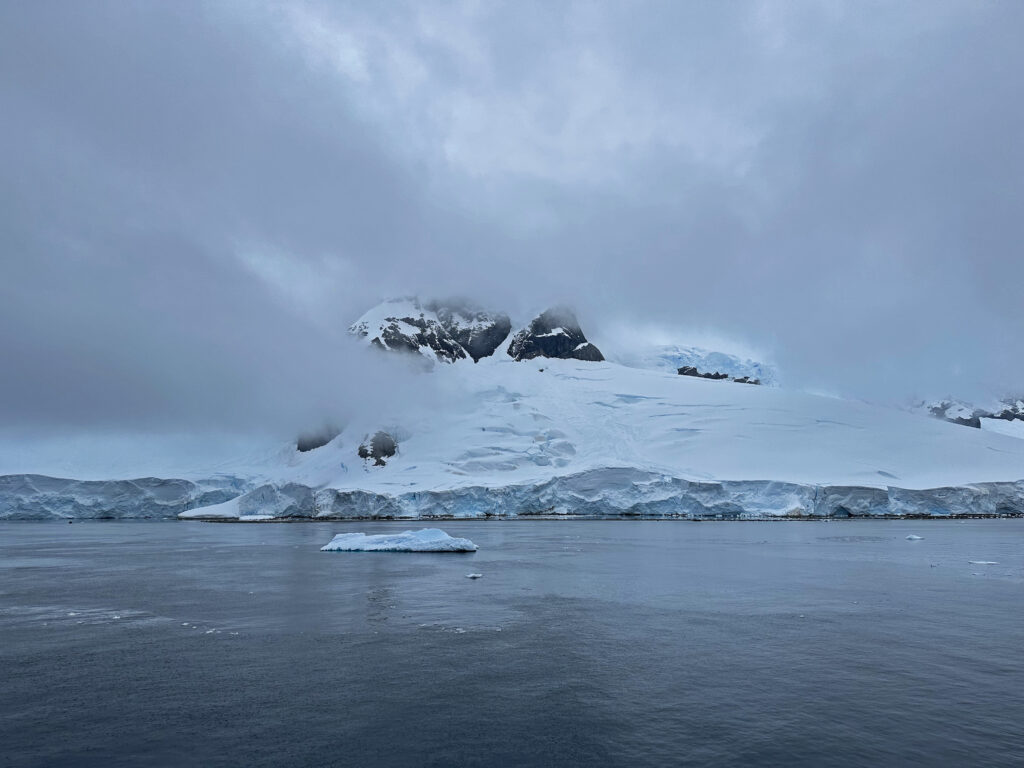
The bond I shared with Darter Photography took a profound turn when I placed my trust in them to guide me to the edge of the Earth—or perhaps, to its very beginning. Antarctica, the enigmatic white continent, felt like a dream stitched together by silence, ice, and mystery. A land barely touched by time, discovered just two centuries ago, it’s a place you can’t truly prepare for. You need something—or someone—greater than yourself to help you navigate its vastness.
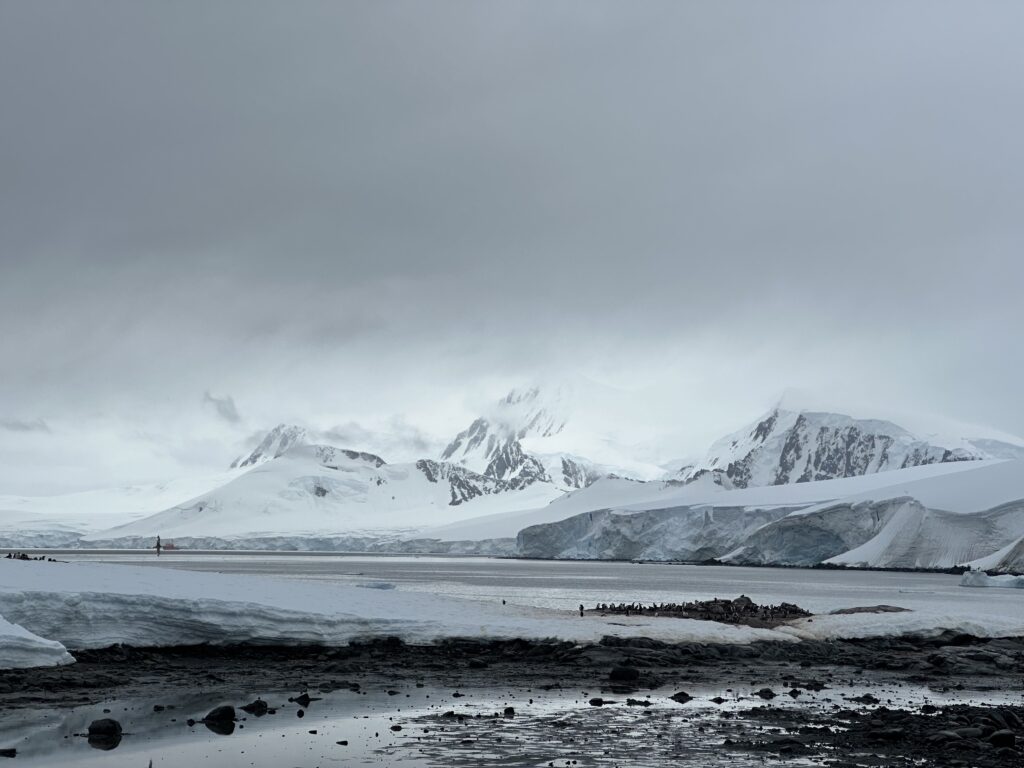
Signing up for this expedition remains one of the most soulfully correct decisions I’ve ever made. It wasn’t just a journey across frozen landscapes; it was a journey inward. Antarctica taught me to release the grip on things beyond my control, to embrace patience, and to accept the unpredictable nature of life and the people in it. I began to see others not as puzzles to solve, but as stories to honor.
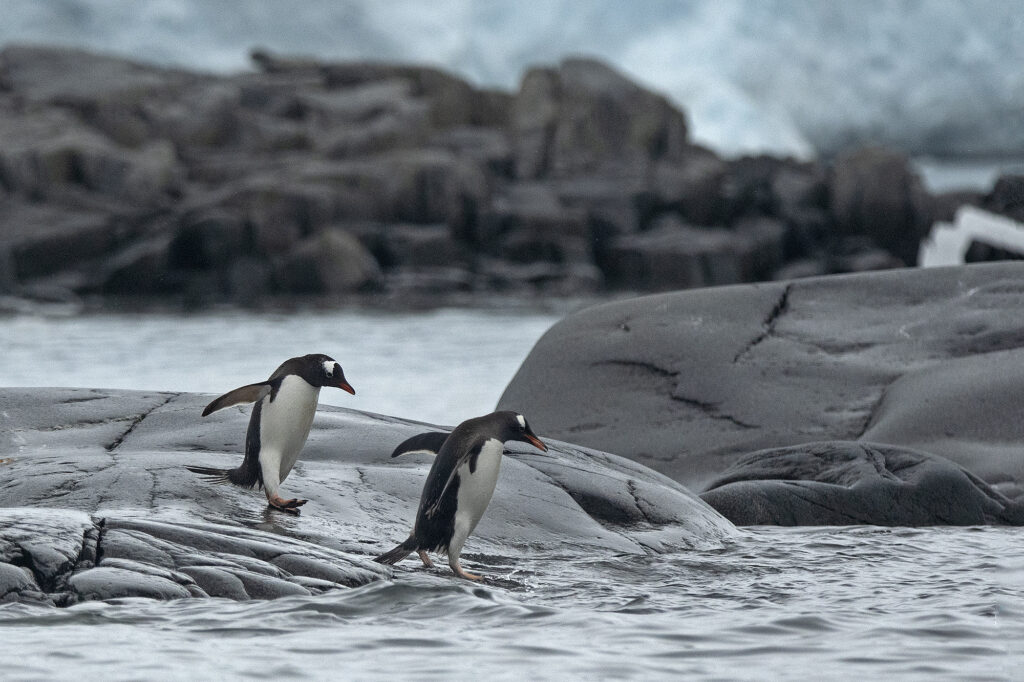
During our orientation, the lead crew member said, “You will be a different soul at the end of this expedition.” And he was right—unquestionably so. I still can’t explain why or how this experience transformed me so deeply. But it did. There’s a connection between Antarctica and the human spirit that defies logic. Maybe it’s the way the ice holds secrets beneath its surface, or how the penguins waddle with quiet resilience, or how the silence makes you listen to your own heartbeat. Whatever it is, it stays with you—etched into your being like the continent itself.
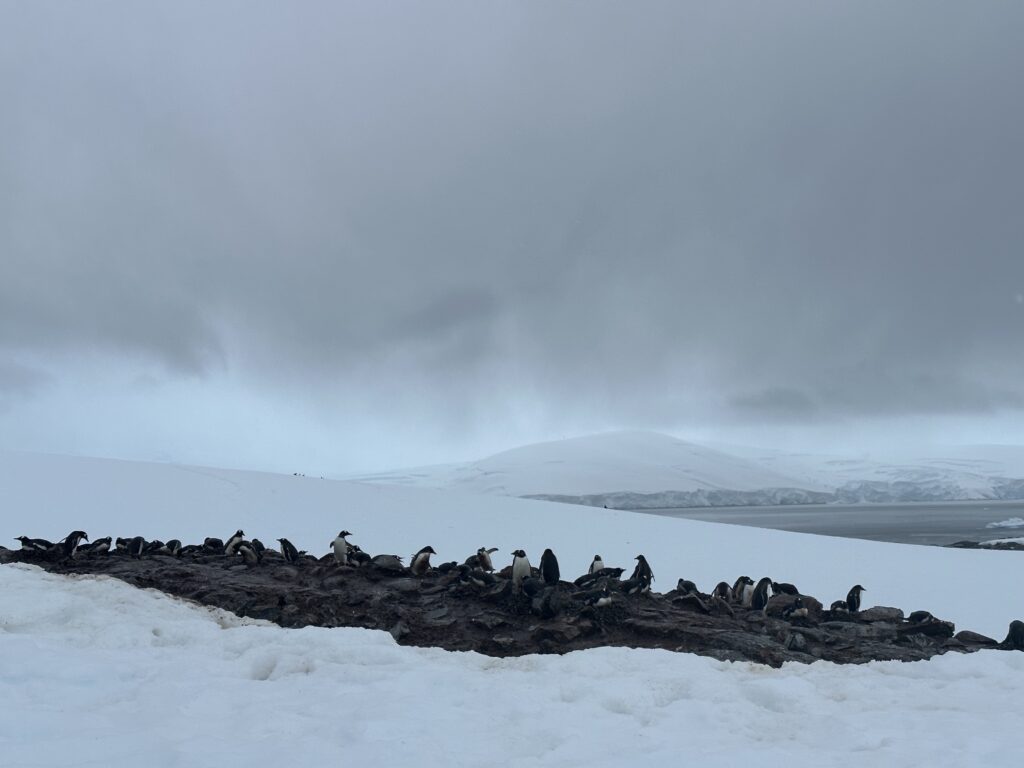
The Evolution of a Traveler Over time, I saw myself change. I wasn’t just a traveler—I had become a seeker of experiences. Every expedition honed my skills, not just behind the lens but in life itself.
In the quiet hours of the rainforest and the frozen silence of Antarctica, life whispered its lessons with remarkable clarity. I learned patience from the frogs, perched motionless under sheets of monsoon rain—unfazed, unhurried, simply being. Resilience came during those treks through submerged trails in Agumbe, and again at Himalayan altitudes where every breath felt earned. And perhaps the most unexpected gift was camaraderie—forging bonds with strangers who, through shared wonder and hardship, became lifelong friends. Whether it was exchanging stories in a rain-soaked field or embracing the vast solitude of polar ice, each moment gently taught me that nature isn’t just a classroom—it’s a mirror, showing you the strengths you didn’t know you had.
Each trip was different, yet the feeling was always the same—that thrilling rush of stepping into the unknown, with the comfort of knowing I had a tribe to discover it with.
A Journey That Keeps Unfolding Now, nearly a decade down this path, I still feel that same excitement before each trip. There’s something sacred about returning to the wilderness— like reconnecting with an old friend who has stories to whisper if you’re quiet enough to listen.
Darter Photography didn’t just offer me travel—it handed me a passport to a world I now call home. If there’s one thing I’ve learned through it all, it’s this: sometimes, the smallest decisions—like making a phone call—can spiral into the most transformative chapters of your life.
